

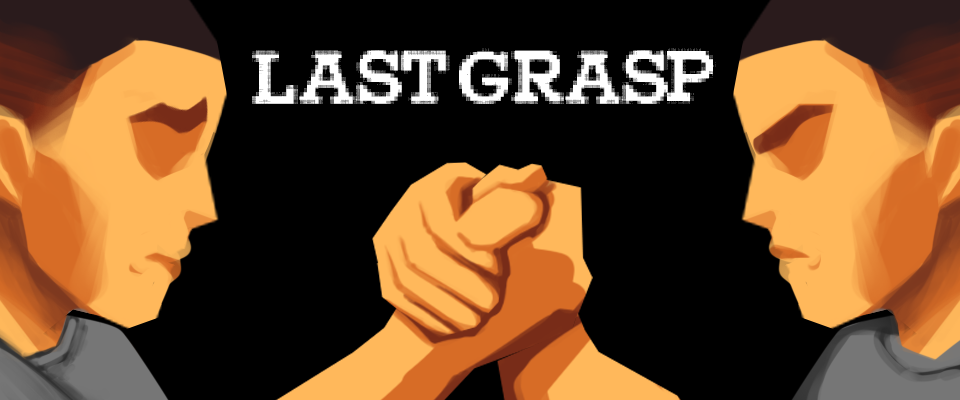
Last Grasp
Devlog.#2 Prototype update
Hey everyone,
This update focuses on atmosphere and tension. We’ve been pushing the game further into that dark, pressure-heavy vibe we’re aiming for.
Here’s what’s new:
This week was focused on defining the visual direction of the game and preparing the foundation for our first playable prototype.
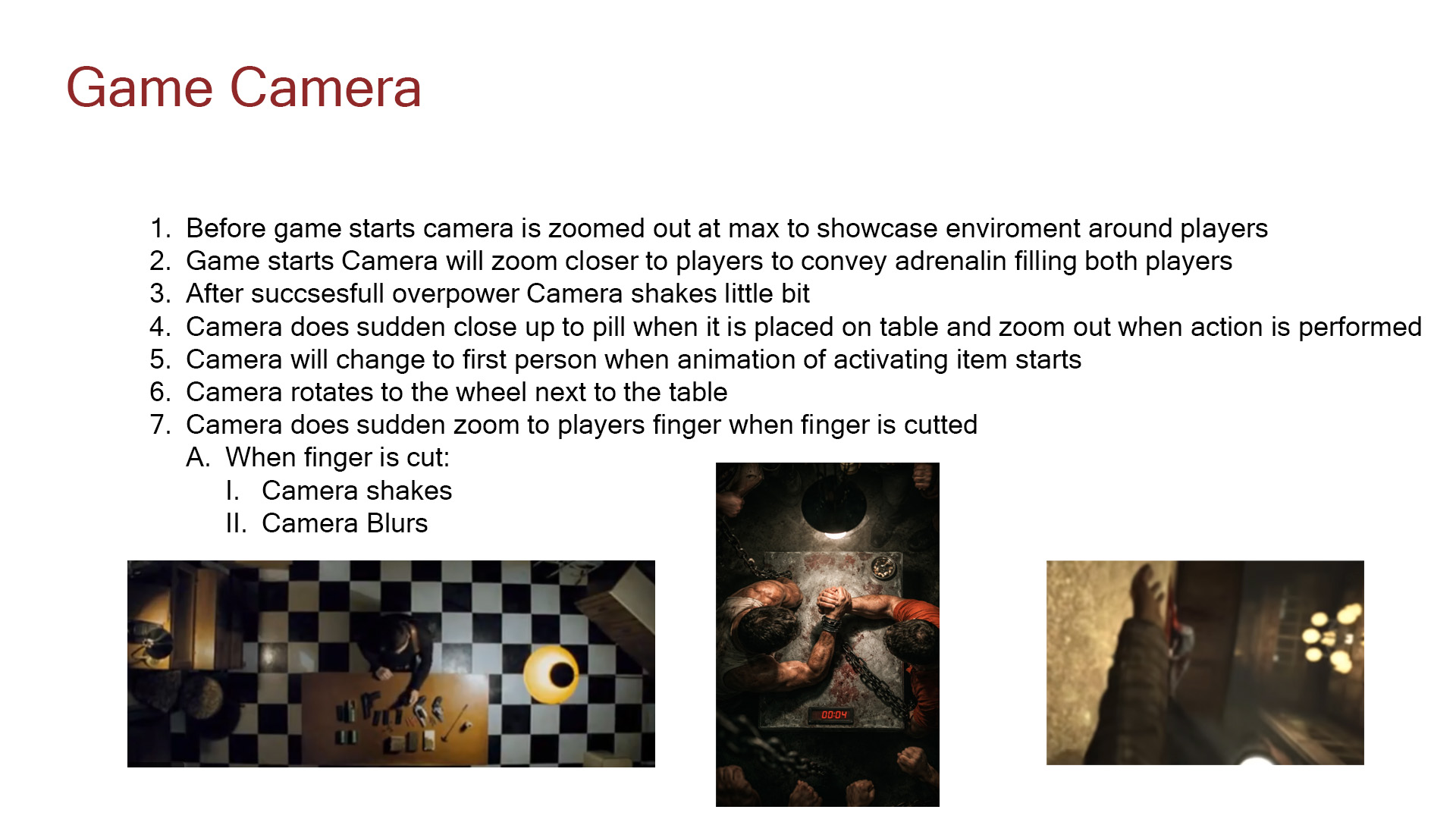
Camera Research & Testing
As the technical artist (and environment artist), I started by testing how the camera should behave throughout the game.
Since camera movement heavily affects tension and atmosphere, I explored:
-
Different top-down framing styles
-
Subtle tilt and angle variations
-
Distance of camera
-
How camera movement impacts intensity during gameplay
The goal was to make sure the camera supports the pressure-driven experience we’re building.
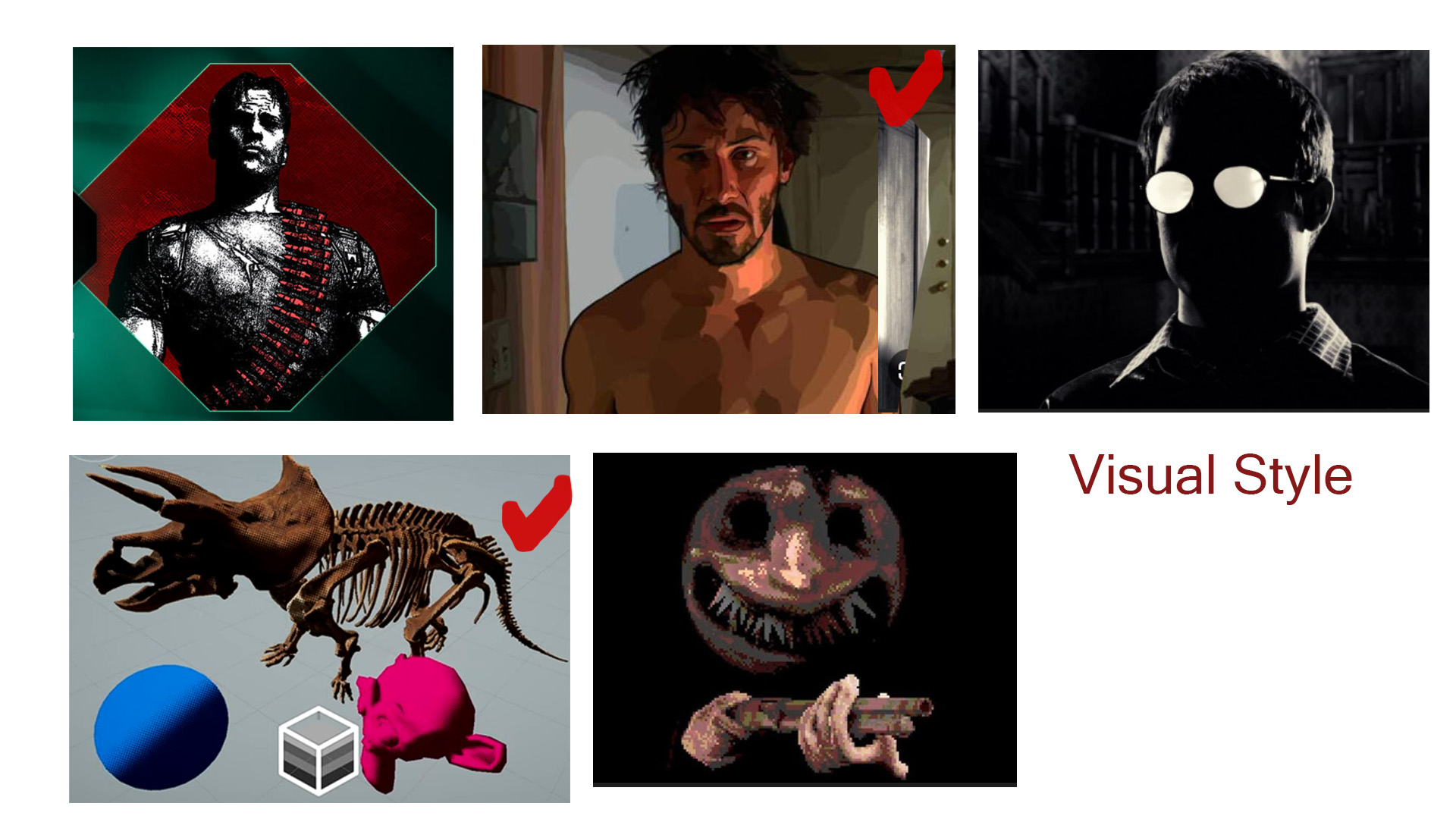
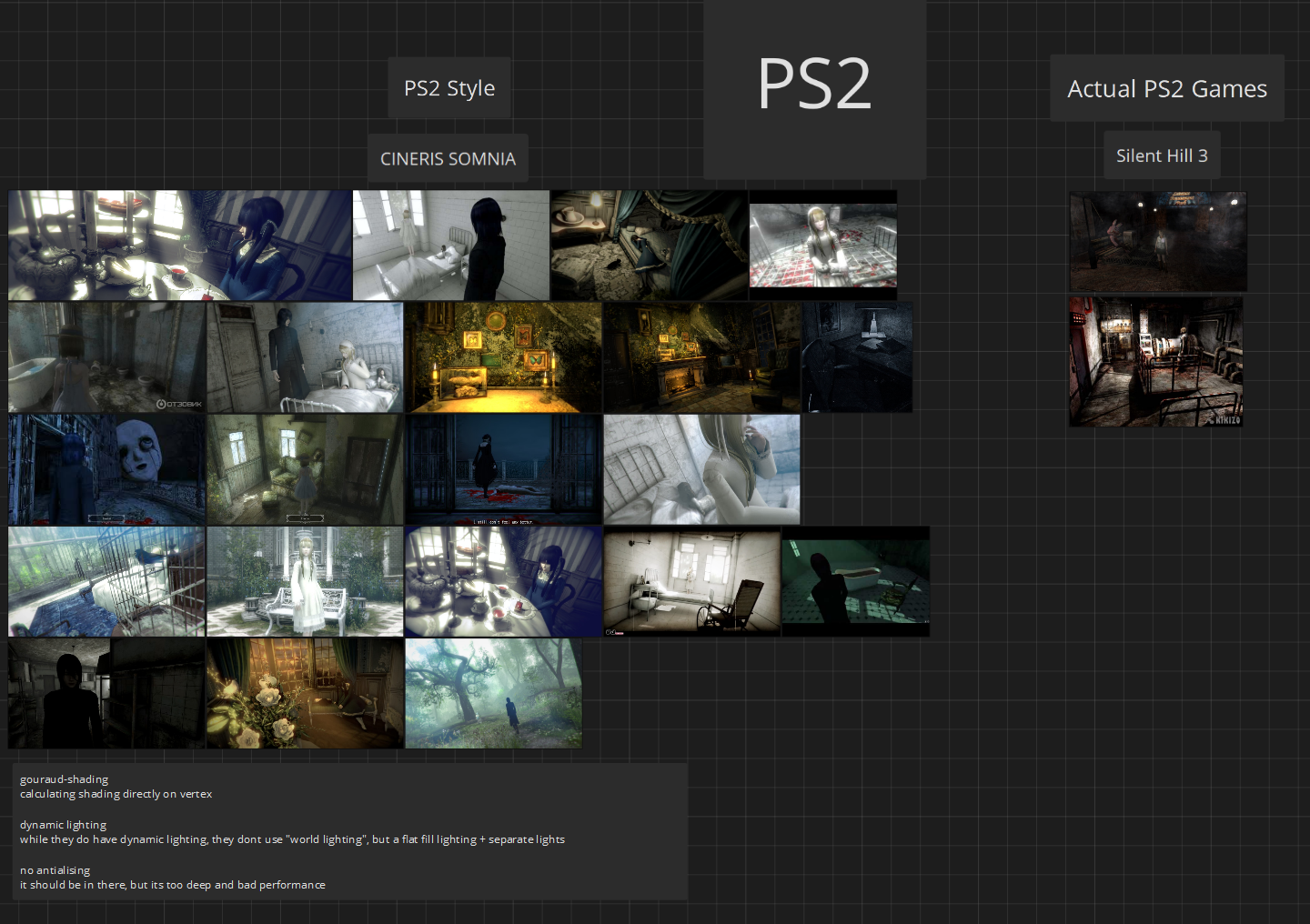
Visual Style Research
After that, I analysed games with distinct visual identities — focusing on:
-
Shader usage
-
Lighting techniques
-
Color grading approaches
-
Stylization vs realism balance
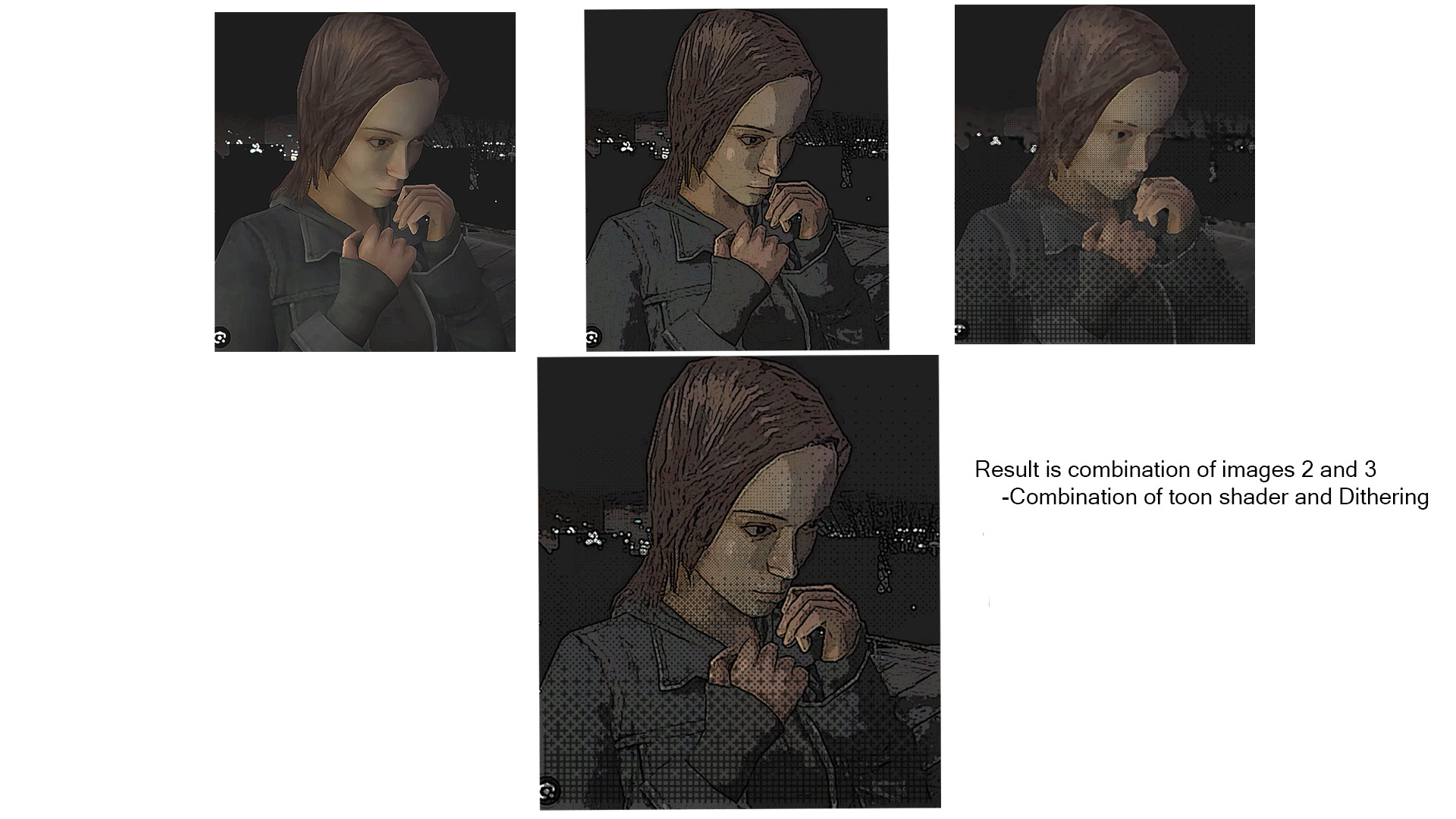
I selected several styles that fit our game's tone and began experimenting by combining elements from each of them.
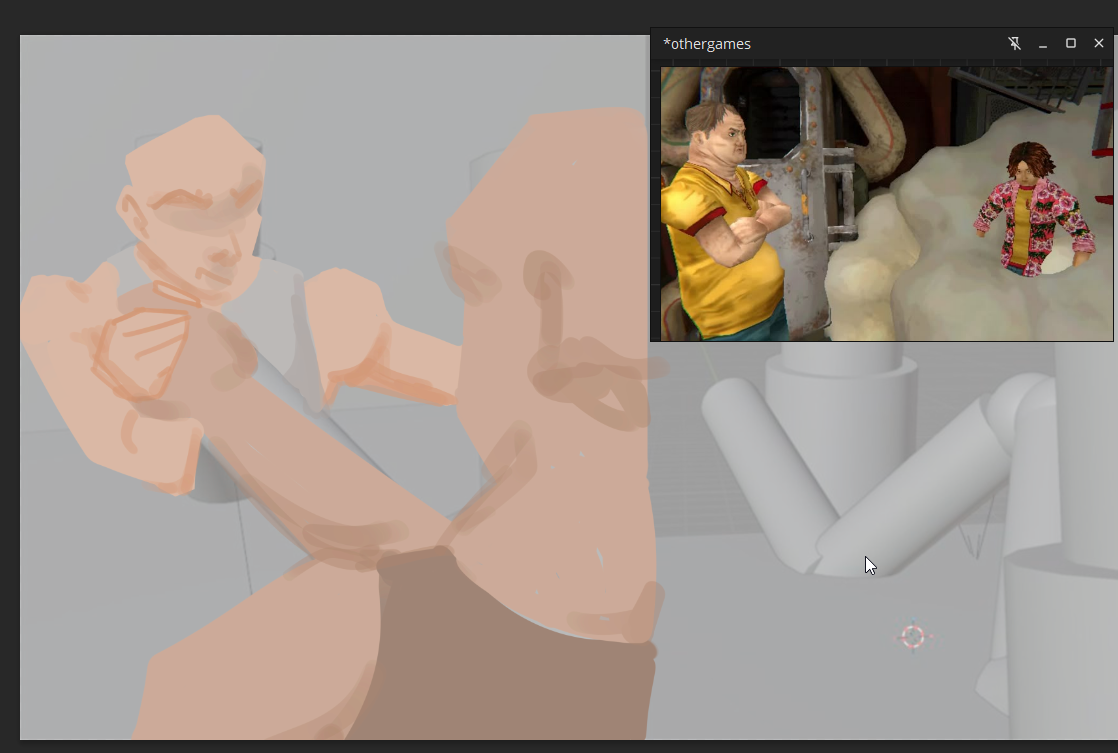
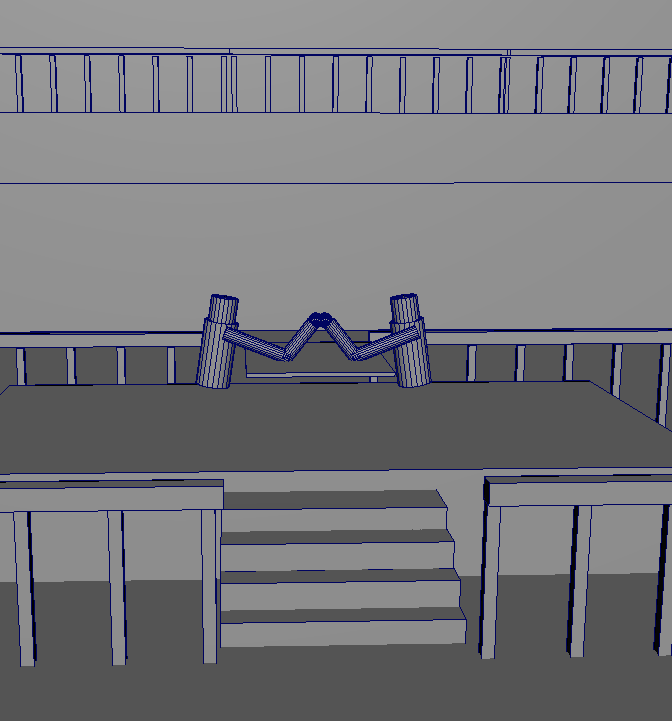
I also made basic blockout for our programmers to use it for the prototype of the game.
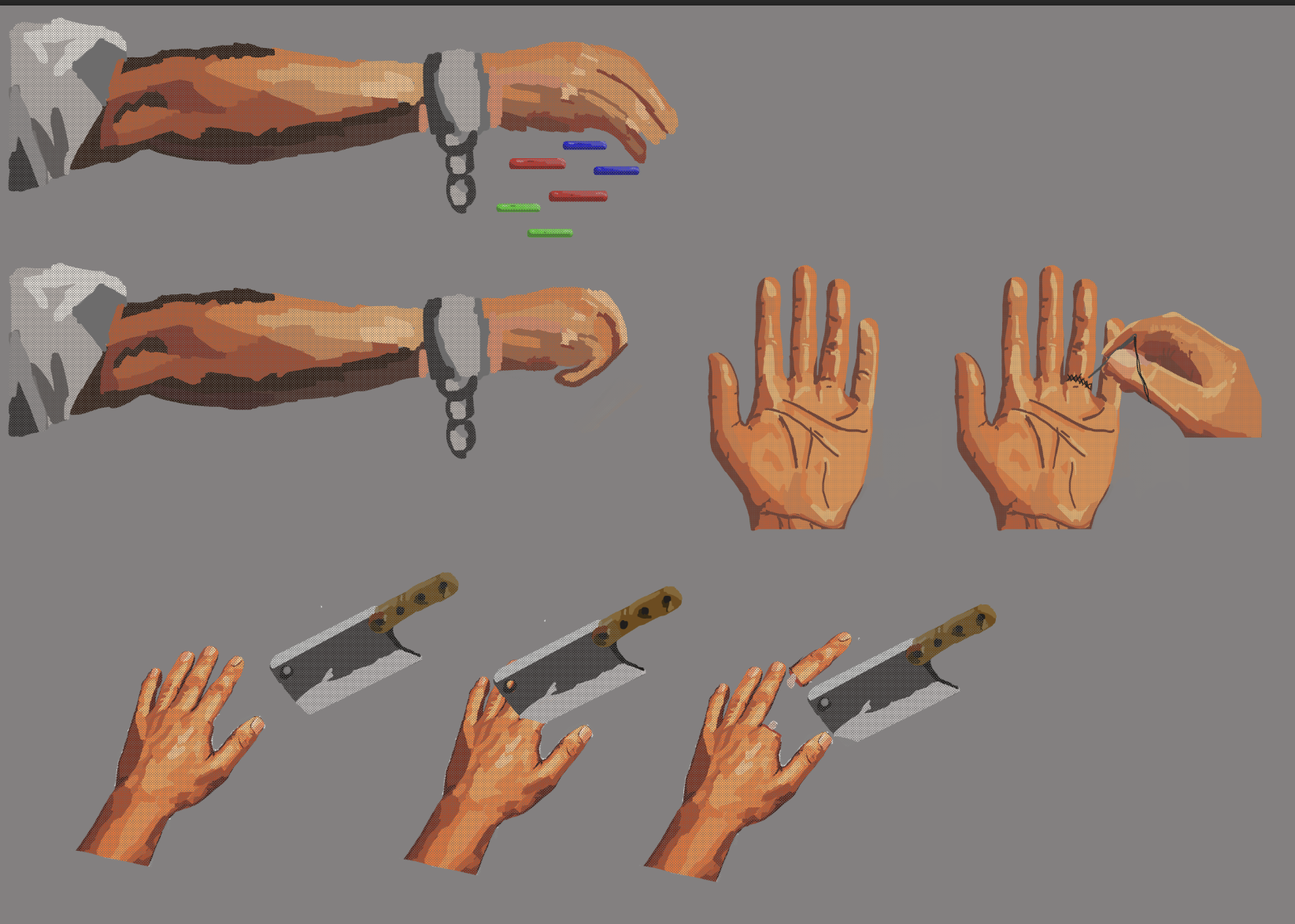
During this week all of our artists divided their roles to work on different types of sketches for the game for example
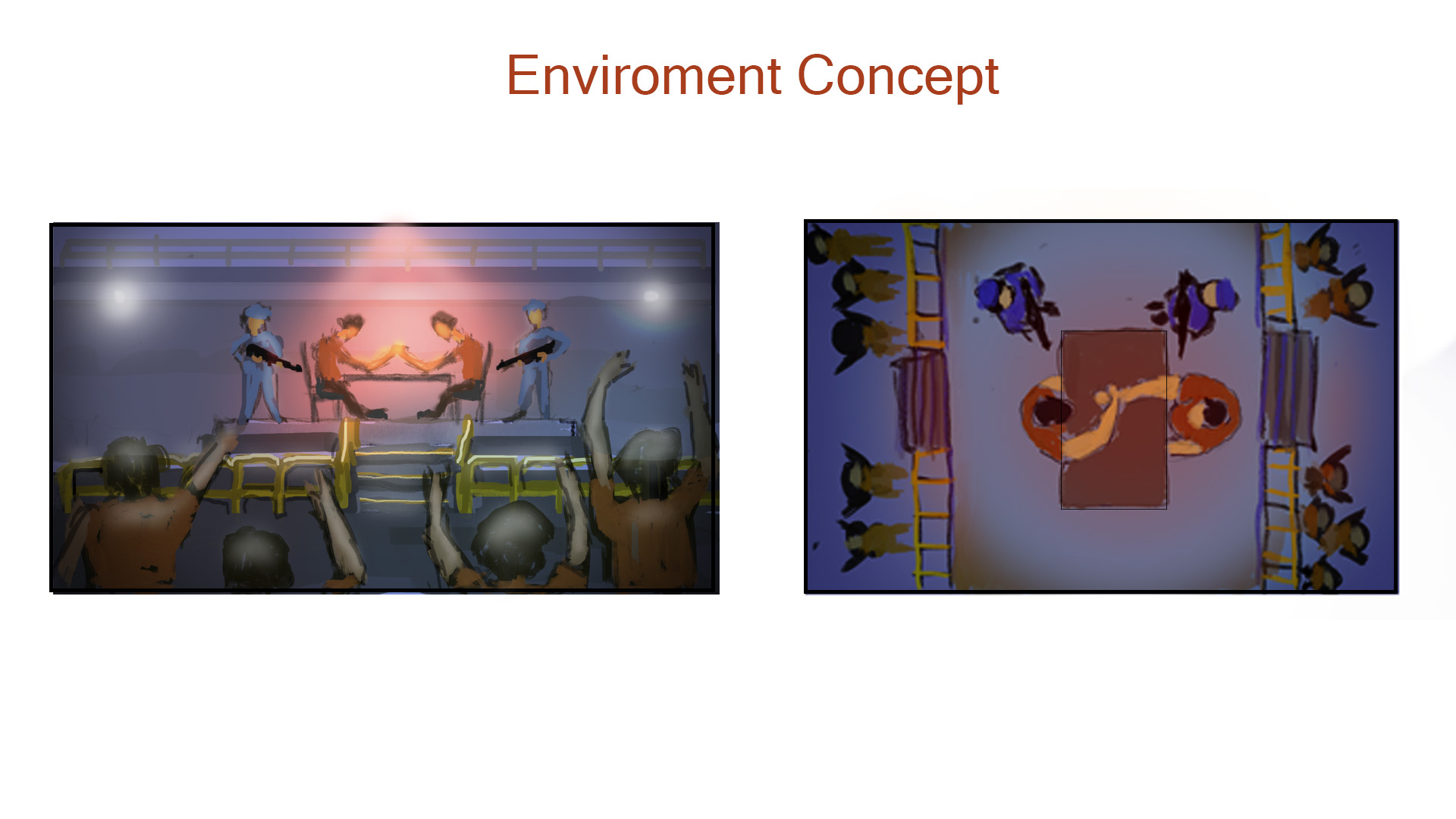
-Concept art of the environment of the prison where game will take a place in futuristic prison.
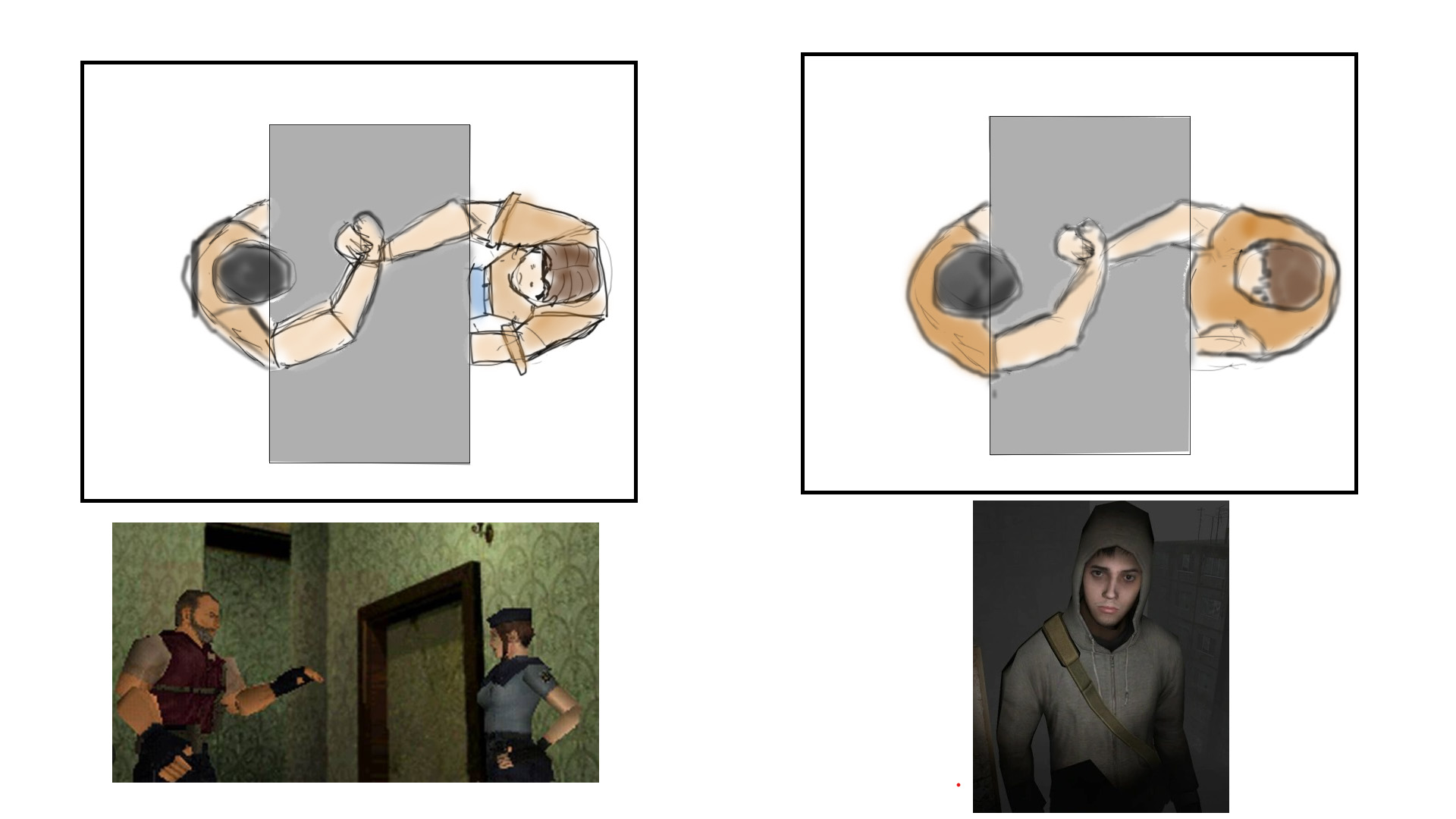
-Visual representation of how some events will look like
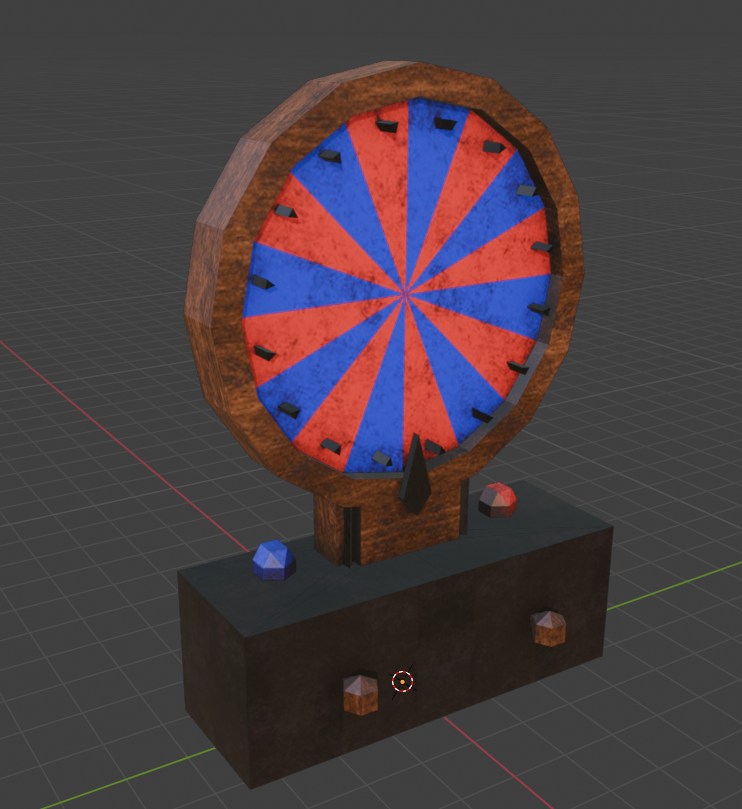
-And first already textured model for the game.
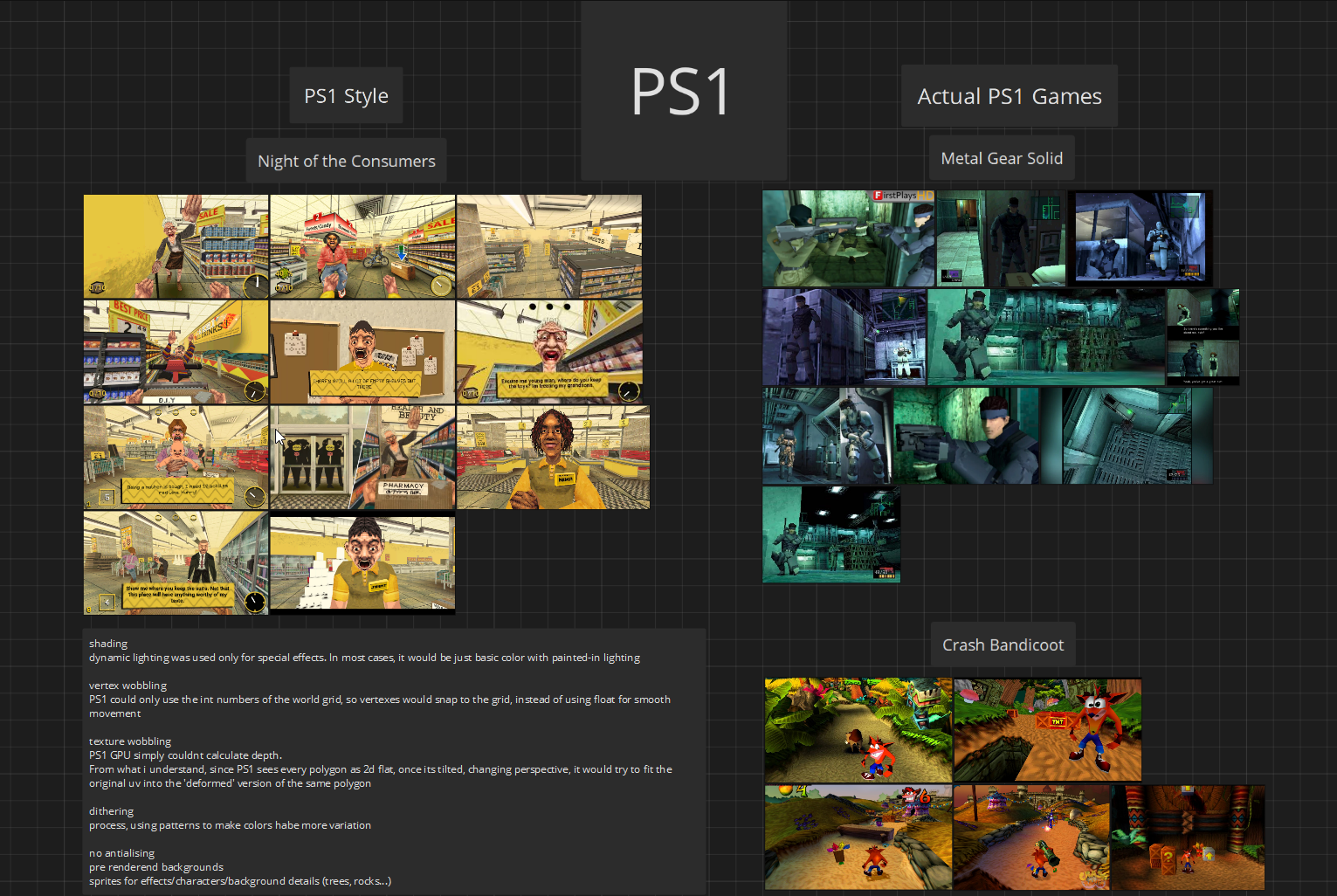
Analysis of Older Game Styles
I conducted research on why older games look the way they do.
Instead of just copying the aesthetic, I analyzed:
-
Technical limitations of past hardware
-
Engine constraints and rendering restrictions
-
Texture resolution limits
-
Polygon budgets
-
Lighting and shader limitations
Understanding these restrictions helped us identify which visual elements were intentional stylistic choices — and which were technical necessities.
From this research, I explored how we can intentionally recreate a similar style today using modern tools, but in a controlled and deliberate way.
Art Bible Created
All findings, references, rules, and workflow decisions were compiled into the project’s Art Bible.
Style Rules & Asset Pipeline
To ensure consistency across the team, I established:
-
Clear visual style rules
-
Asset creation standards
-
Naming and export structure
-
Workflow pipeline from concept → modeling → implementation
This helps maintain visual cohesion and avoids inconsistency as production scales.
Programming Update – Expanding the Prototype
I continued working on the prototype for our group project, focusing on expanding the core gameplay systems and improving balance.
Two-Player Mechanics Implemented
In this phase, I implemented the mechanics for both players. Each player can now:
-
Perform their own actions
-
Trigger their own interactions
-
Influence the outcome independently
This was an important step toward making the gameplay feel competitive and dynamic rather than one-sided.
Error / Penalty Mechanic Added
I also introduced an additional balancing system tied to the mechanic created by Keano.
If a player spams this mechanic excessively, a penalty (error state) is triggered.
This change:
-
Prevents mindless button spamming
-
Encourages more strategic timing
-
Adds risk to powerful actions
-
Improves overall balance
Players now have to think carefully about when to use the mechanic instead of relying on repetition.
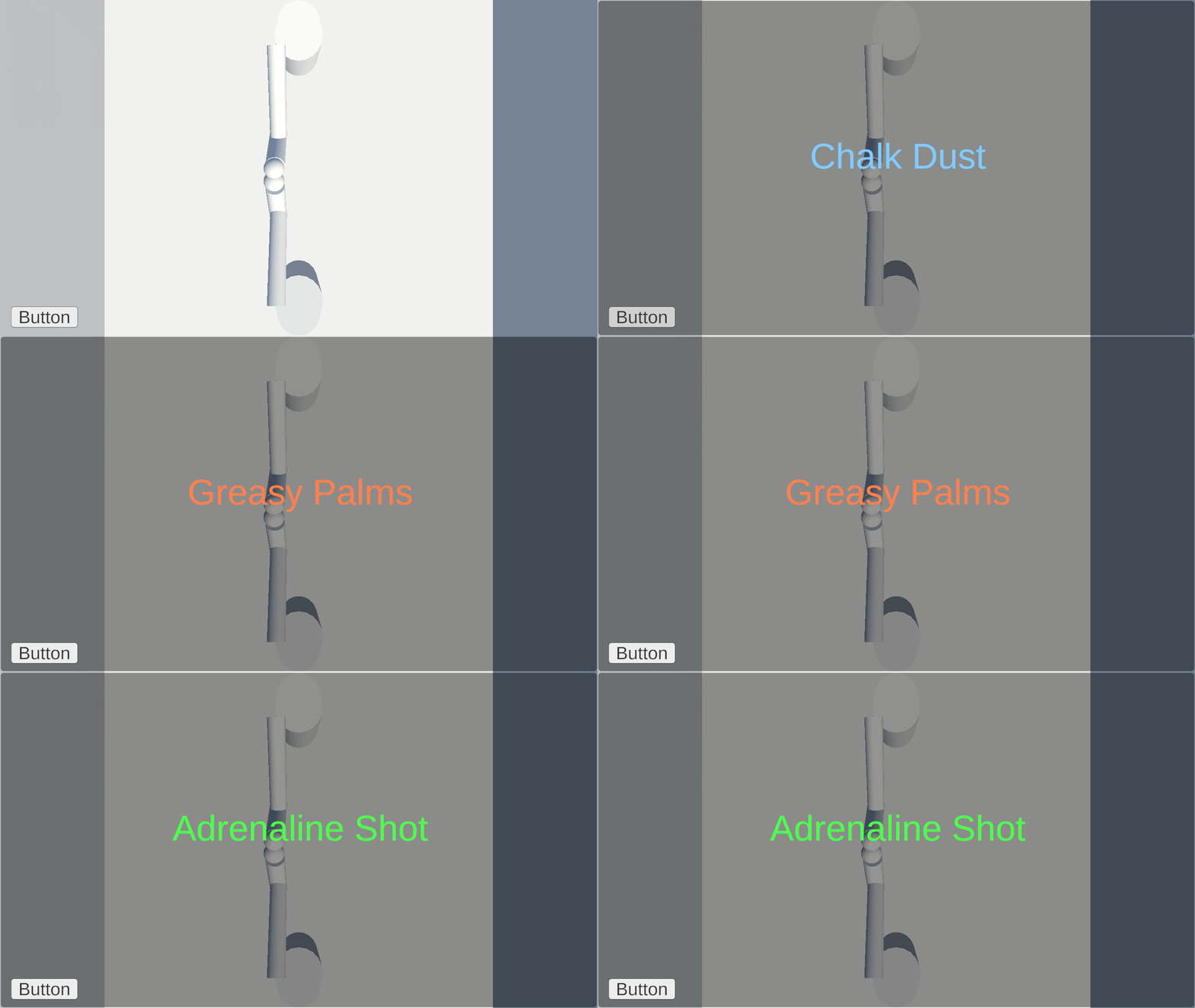
Pill System – First Implementation
We introduced a basic version of the pill mechanic.
Current prototype features:
-
Randomized pill effect
-
Immediate impact on gameplay
-
Foundation for future risk/reward expansion
Right now, the system is intentionally simple — but it gives us a working framework to iterate on and balance later.
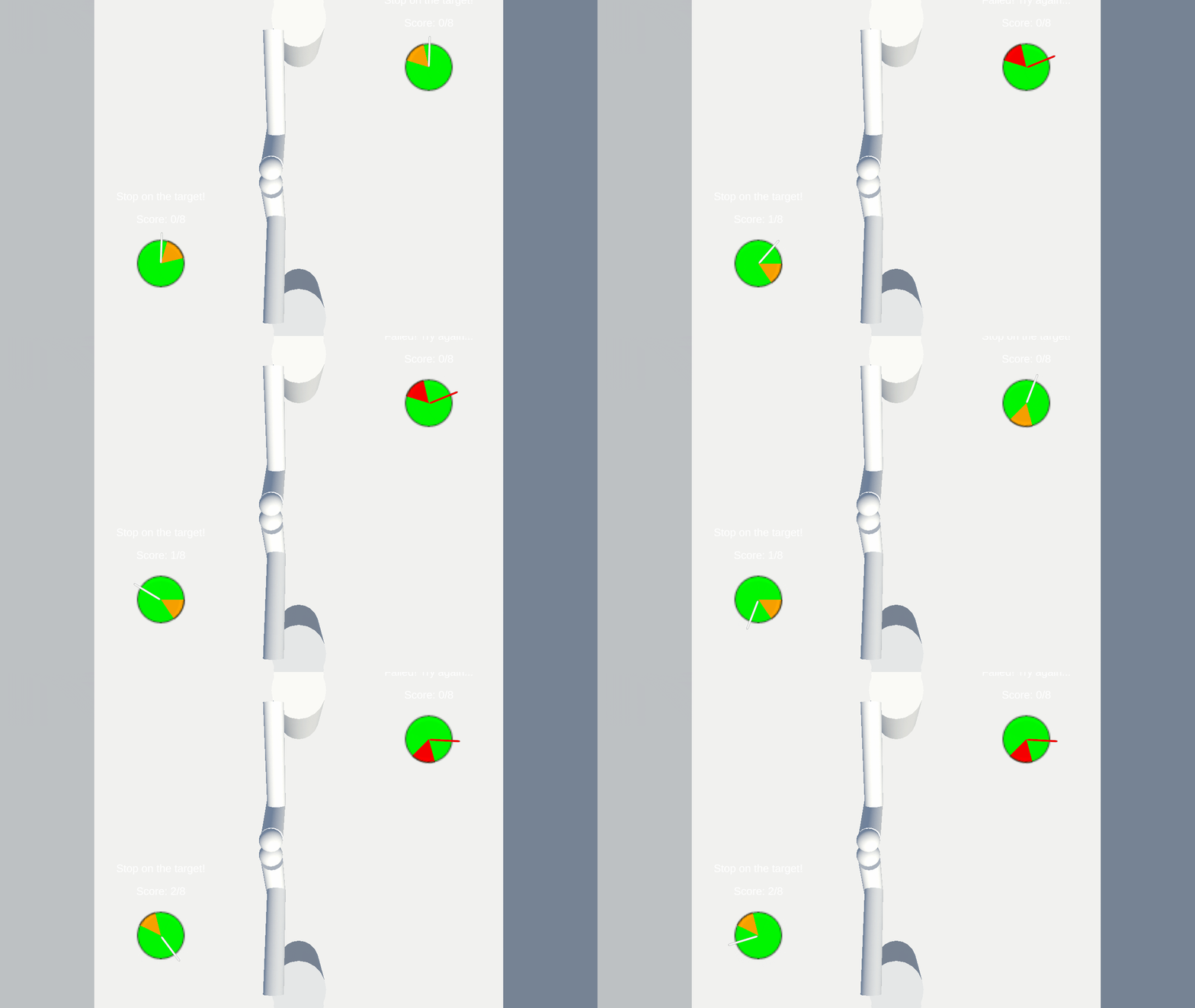
Arm Wrestling Mechanic – Core Skill Checks
The first version of the main arm wrestling system is now functional.
Programmers implemented:
-
Timed skill checks
-
Player input validation
-
Success / failure logic
-
Overpower progression system
Players must successfully complete skill checks to gain advantage and push their opponent toward defeat.
This is the backbone of our game, and getting this system playable was a major milestone.
Sound Design Update – Research & Project Structure
As the sound designer of this project I've spent the last week looking into the sound design of some other games that have a similar vibe to our game, most notably Buckshot roulette and Side effects. I wrote down everything I was thinking about when listening to some gameplay, from which characteristic a sound had to how it's implemented. I wrote all this down on a document, along with a project introduction and a list of sound features. Aside from the regular sound duties, I also tried to help out wherever I could, trying to add more structure and improve communication between the team as well as help out with the game design document.
Here you can view first concepts look of the game and its mechanics:
Get Last Grasp
Last Grasp
PvP arm wrestling sim. Win fast-paced QTE battles and use strategic power-ups to pin your opponent. Built in Unity.
More posts
- Last Grasp final release | Launch Devlog14 days ago
- Devlog #1121 days ago
- Devlog #1028 days ago
- Devlog #935 days ago
- Devlog #842 days ago
- Devlog #749 days ago
- Devlog #6 The production is taking shape77 days ago
- Devlog #4: Entering the Production Phase84 days ago
- Devlog.#3 Even more Prototyps91 days ago
Leave a comment
Log in with itch.io to leave a comment.